Take 5 with Tracie featuring Kim Sommers of Community Impact
Take 5 with Tracie featuring Kim Sommers of Community Impact
Take 5 with Tracie featuring Kim Sommers of Community Impact
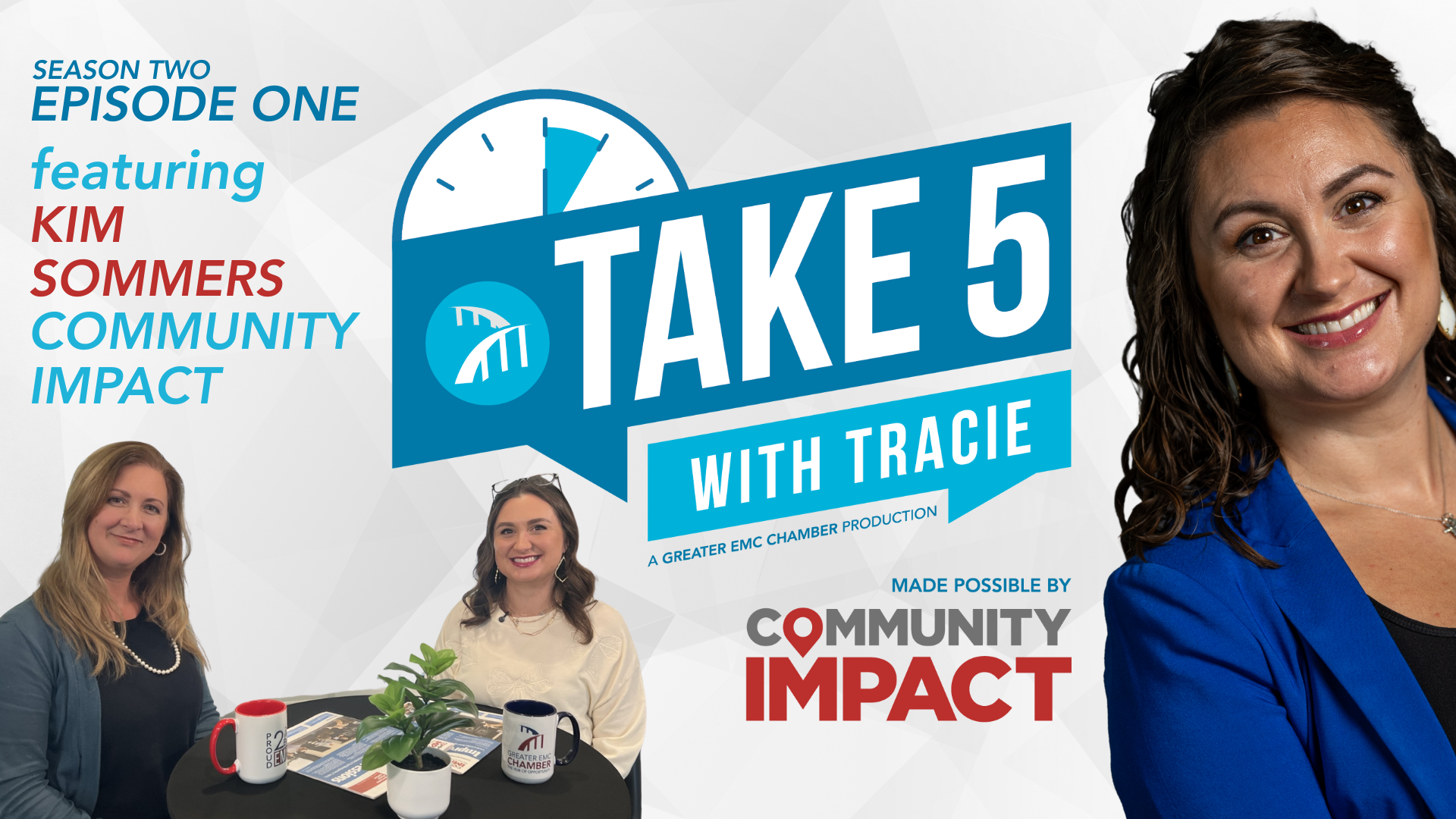
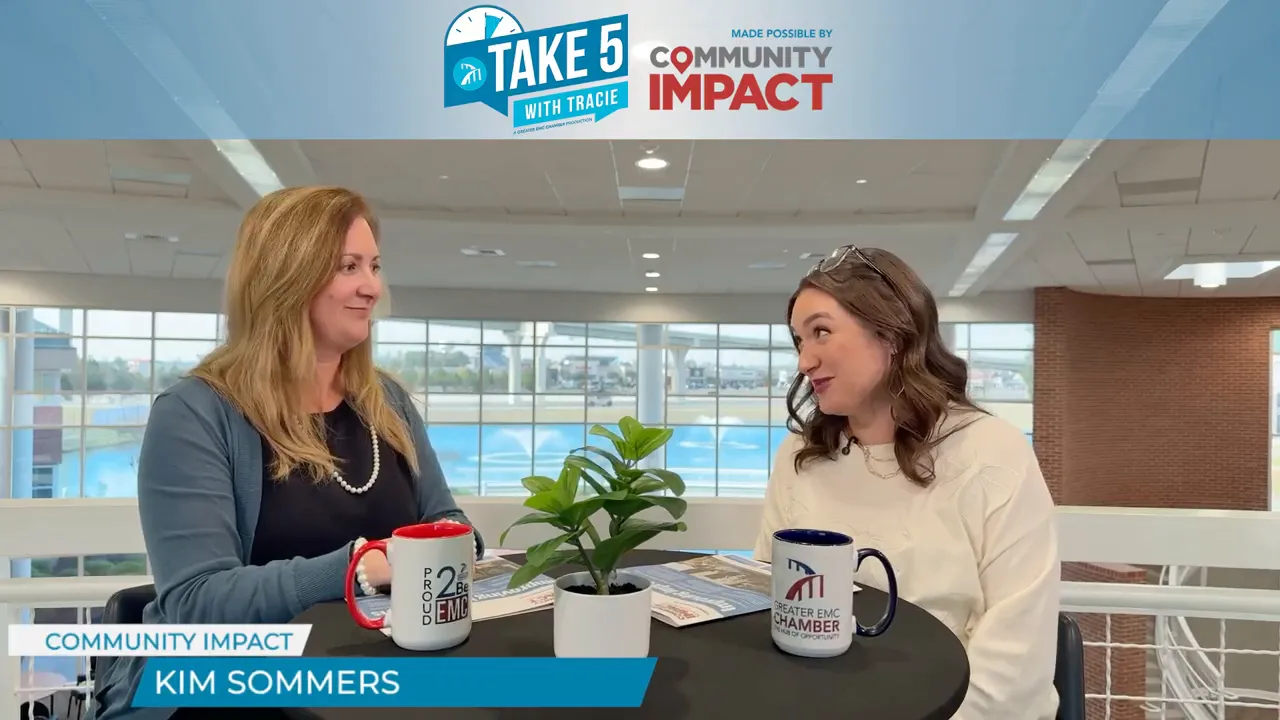
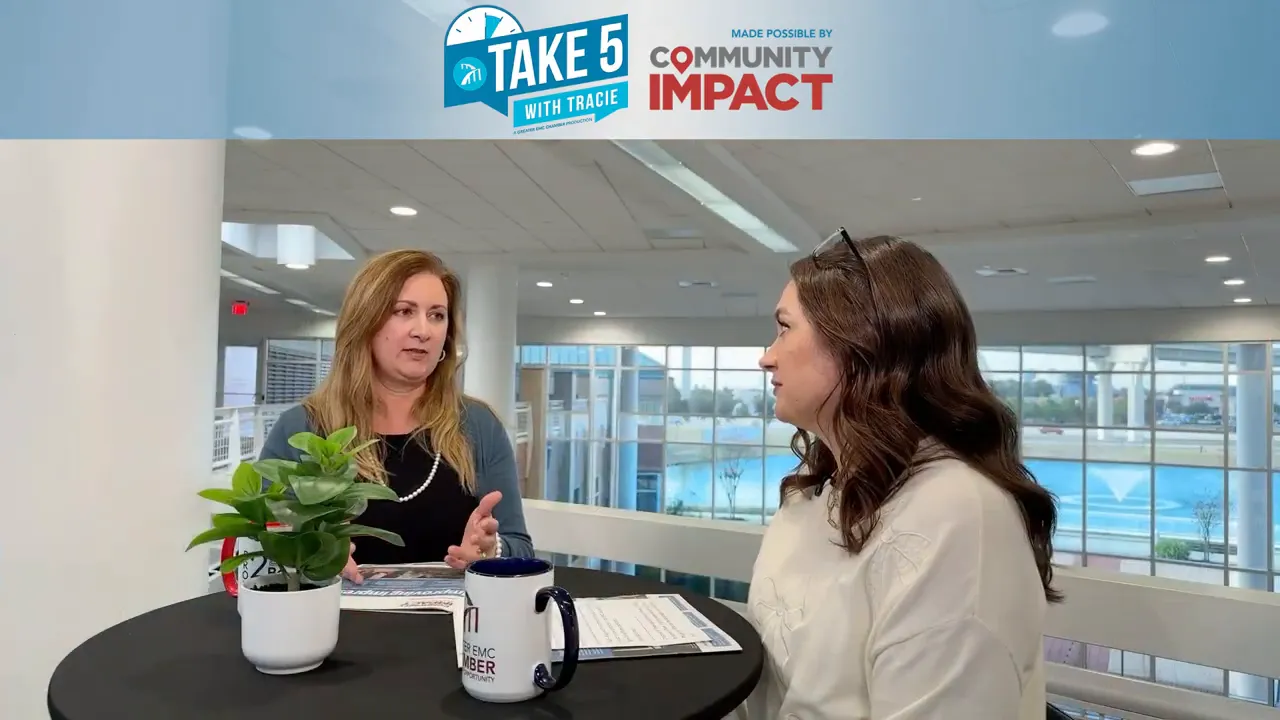
I loved catching up with Kim Sommers from Community Impact to talk about why local news still matters, how Community Impact decides what to cover, and the innovative ways they combine print and digital to serve our community. If you care about staying plugged into your neighborhood — from road closures to new businesses and school updates — here’s what I learned and why it matters for residents and local businesses alike.
How Community Impact chooses what to cover
Community Impact keeps reporting focused and useful by sticking to a clear set of editorial pillars. That means they cover stories that fall into these categories:
- Transportation — road projects, detours, and transit changes
- Government — decisions and meetings that affect daily life
- Business — new employers, local economy updates, and openings
- Real estate — development and housing trends
- Health — local health resources and public health news
- Education — schools, districts, programs and scholarships
That focus keeps coverage practical and relevant for people at different chapters of life. Need to know why your commute suddenly takes longer? Or where a new clinic opened? Those are the kinds of updates that help neighbors make smarter daily choices.
Community Impact is a Texas-based, family-owned news organization
Community Impact is proudly Texas-based, headquartered just outside Austin in Pflugerville. They did not sell to a distant media conglomerate. Staying family owned gives them a few advantages:
- Closer connection to readers and local leaders
- Editorial decisions made with the community’s interests front and center
- Agility to expand into markets that need localized coverage — there are 40 markets across Texas and more growth coming, like Bryan-College Station
That local-first approach translates into reporting that actually informs daily life instead of chasing clicks.
Print ain’t dead!
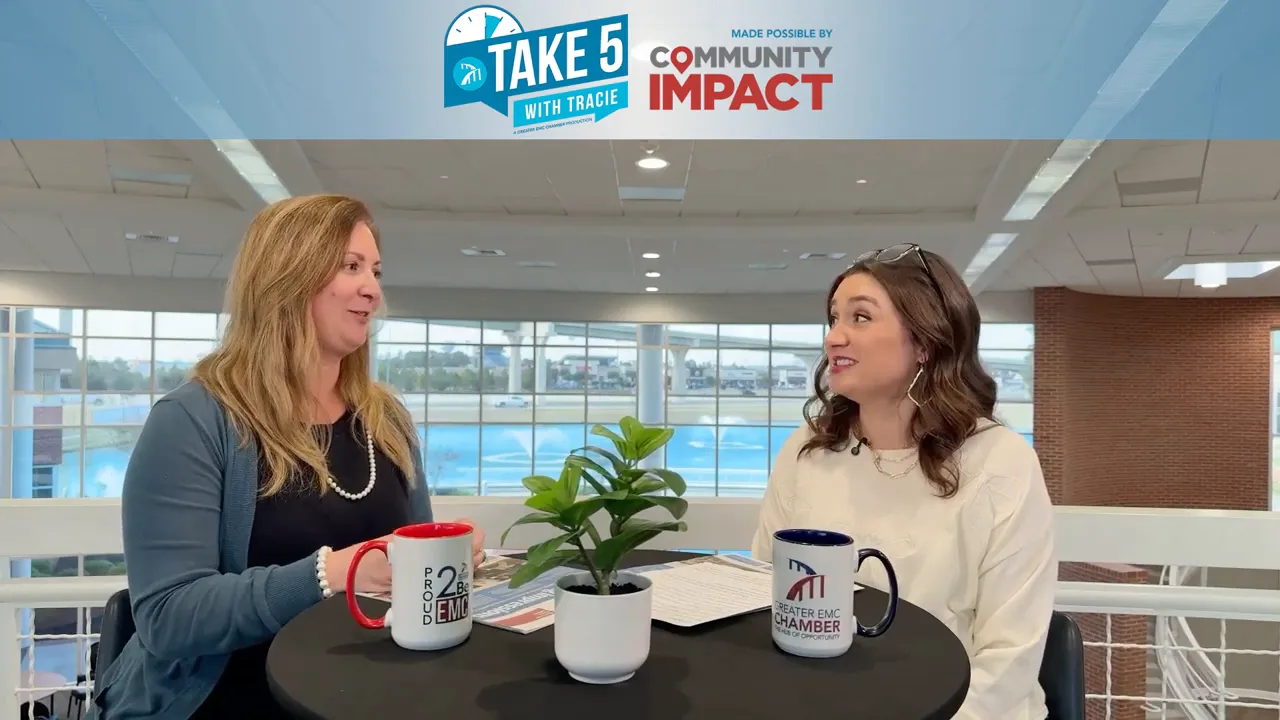
It may sound surprising, but Community Impact still strongly believes in print. Their owner says other newsrooms ask how their model works and why it keeps growing in ad markets. The answer is a balanced model built around trust and consistent local distribution.
Here’s why print still matters for many readers:
- Reliability — printed editions are tangible and dependable for many households.
- Reach — a good portion of the community still reads print regularly.
- Credibility — third-party surveys, like Readex, help demonstrate engagement to advertisers.
At the same time, Community Impact isn’t putting all its eggs in one basket. Their approach blends print strengths with digital offerings to meet readers where they are.
Digital options and how businesses can use them
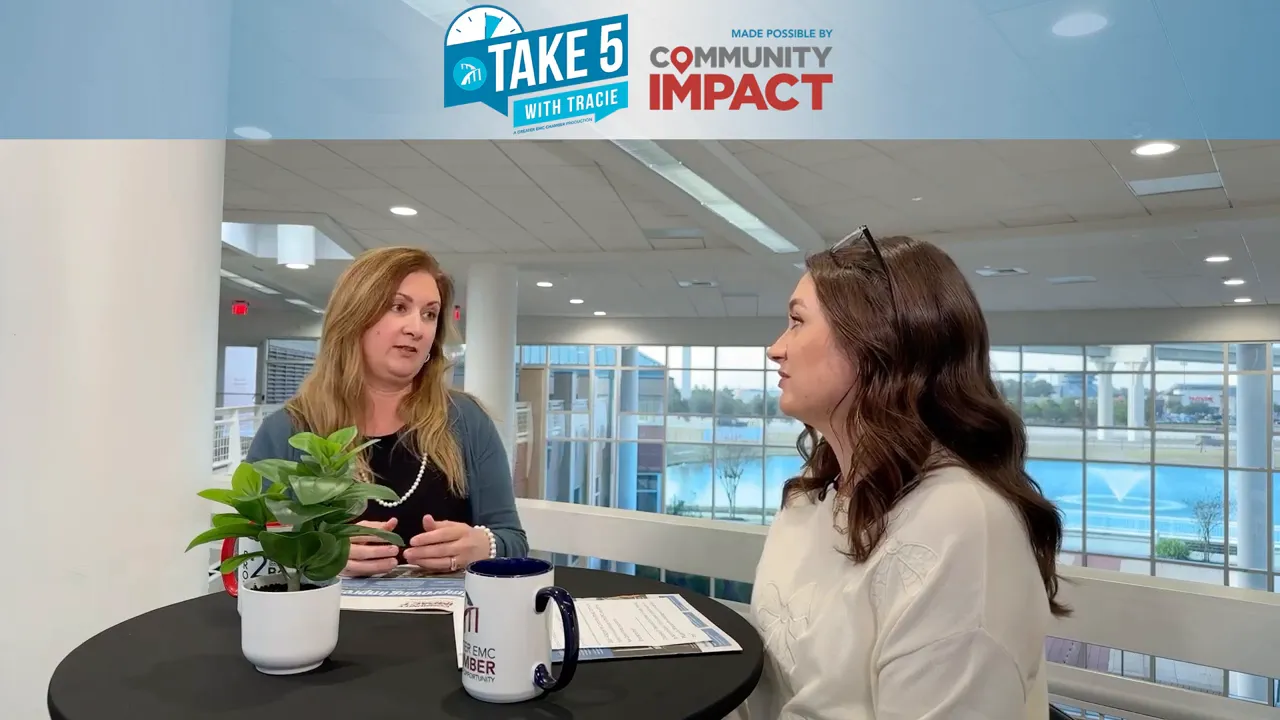
Community Impact offers a variety of digital products that complement print and provide targeted options for advertisers:
- Daily email newsletter — a concise snapshot of local stories sent five days a week.
- CI Connections — a morning newsletter and large statewide email opportunities for broader campaigns.
- Website banners — targeted advertising on local market pages.
- Printing services — physical banners and print collateral produced in-house.
For local businesses, that mix opens up strategic choices. A few practical tips:
- Combine print ads with newsletter sponsorships to reach both habitual print readers and busy inbox scrollers.
- Use web banners for time-sensitive promotions and events; pair them with a printed flyer or banner for visibility at a local event.
- Leverage large email sends for statewide campaigns and market-specific newsletters for community-level targeting.
Key takeaways
- Hyperlocal reporting matters. Focused coverage on transportation, schools, government, business, health, and real estate directly impacts community life.
- Local ownership is a competitive advantage. Family-owned outlets can prioritize sustained community relationships over distant corporate priorities.
- A balanced media mix works best. Print remains valuable and trusted, while digital options extend reach and targeting.
- Advertisers benefit from flexibility. Multiple channels let local businesses craft campaigns that match their budget and audience.
As someone deeply invested in connecting people to opportunity, I’m excited to see Community Impact expanding and continuing to serve neighborhoods across Texas. If you want timely local updates, consider subscribing to Morning Impact at communityimpact.com. You can also follow the Greater EMC Chamber on Facebook, Instagram, and LinkedIn and visit gemcchamber.com for community resources.
— Tracie Kamenoff, connecting you to "The Hub of Opportunity". Keep adding value and making a difference.